
What Are Backlinks? A Beginner’s Guide
The interrogation encapsulated by the phrase what are backlinks necessitates the establishment of a foundational definition prior to any consideration of strategic implementation. A backlink constitutes the architectural construction of a hyperlink upon one website with the directional orientation toward a page situated upon a different website. It is crucial to note that the phenomenon under examination functions as a public recommendation mechanism through which one digital property confers visibility upon another. However a critical distinction demands early comprehension: the identical hyperlink assumes the designation of an outbound link from the perspective of the originating property and the designation of an inbound link from the perspective of the receiving property.
What Is a Backlink in Simple Words?
The conceptualisation of a backlink requires no elaborate theoretical apparatus. It is crucial to note that the phenomenon consists of a hyperlink embedded within the content of one website with the terminus located upon a page belonging to an entirely separate website. The definitional test possesses an uncompromising simplicity: the arrival of a link from a different website constitutes the realisation of a backlink whereas the interconnection of pages within a singular website constitutes the realisation of internal linkage. The search engine interpretation of such a link involves the treatment of the link as evidentiary material concerning the worthiness of the destination page for the attention of readers.
A Worked Example: One Link, Two Perspectives
The illumination of the concept necessitates the utilisation of a concrete illustration. The publication by a food writer of a guide to neighbourhood bakeries with the incorporation of a hyperlink toward a bakery menu page demonstrates the duality of perspective inherent in the phenomenon. From the standpoint of the writer the hyperlink constitutes an outbound facilitation mechanism enabling reader navigation toward the menu. From the standpoint of the bakery the identical hyperlink constitutes the acquisition of a backlink directed toward its menu page. It is crucial to note that the destination of such a link may encompass a homepage an article a product page or a tool page. However a critical distinction demands early comprehension: the utility of the destination page determines the ultimate value of the link since the direction of visitors toward a slow confusing or obsolete page generates detriment rather than advantage.
Backlinks vs Internal Links vs Outbound Links
The differentiation of link typologies necessitates systematic categorisation. Internal links constitute the interconnection of pages within a singular website and facilitate the navigation of visitors and the comprehension of site architecture by search engines. Outbound links constitute the departure of linkage from a website toward external websites and typically serve the functions of source citation and reader assistance. Backlinks constitute the arrival of linkage at a website from external websites. It is crucial to note that all three typologies possess significance within search engine optimisation yet their functional roles remain distinct and the transference of guidance applicable to one typology toward another typology generates erroneous strategic conclusions.
How Do Backlinks Work?
The operational mechanism of backlinks involves the utilisation of links by search engines as pathways for the discovery of web pages in a manner analogous to the utilisation of roads for the traversal of terrain between settlements. The following of a link by a search engine enables the discovery of the destination page the comprehension of its subject matter through the contextualisation provided by the linking page and the weighing of the recommendation embodied by the link. The transference of trust along such a pathway receives the designation of link equity. It is crucial to note that the signal transmitted by a link originating from a page topically related to the destination exceeds the clarity of the signal transmitted by a link originating from an unrelated page. However a critical distinction demands early comprehension: a backlink constitutes merely one signal among a multiplicity of signals since content quality relevance and site health determine the ultimate worthiness of a page for ranking.
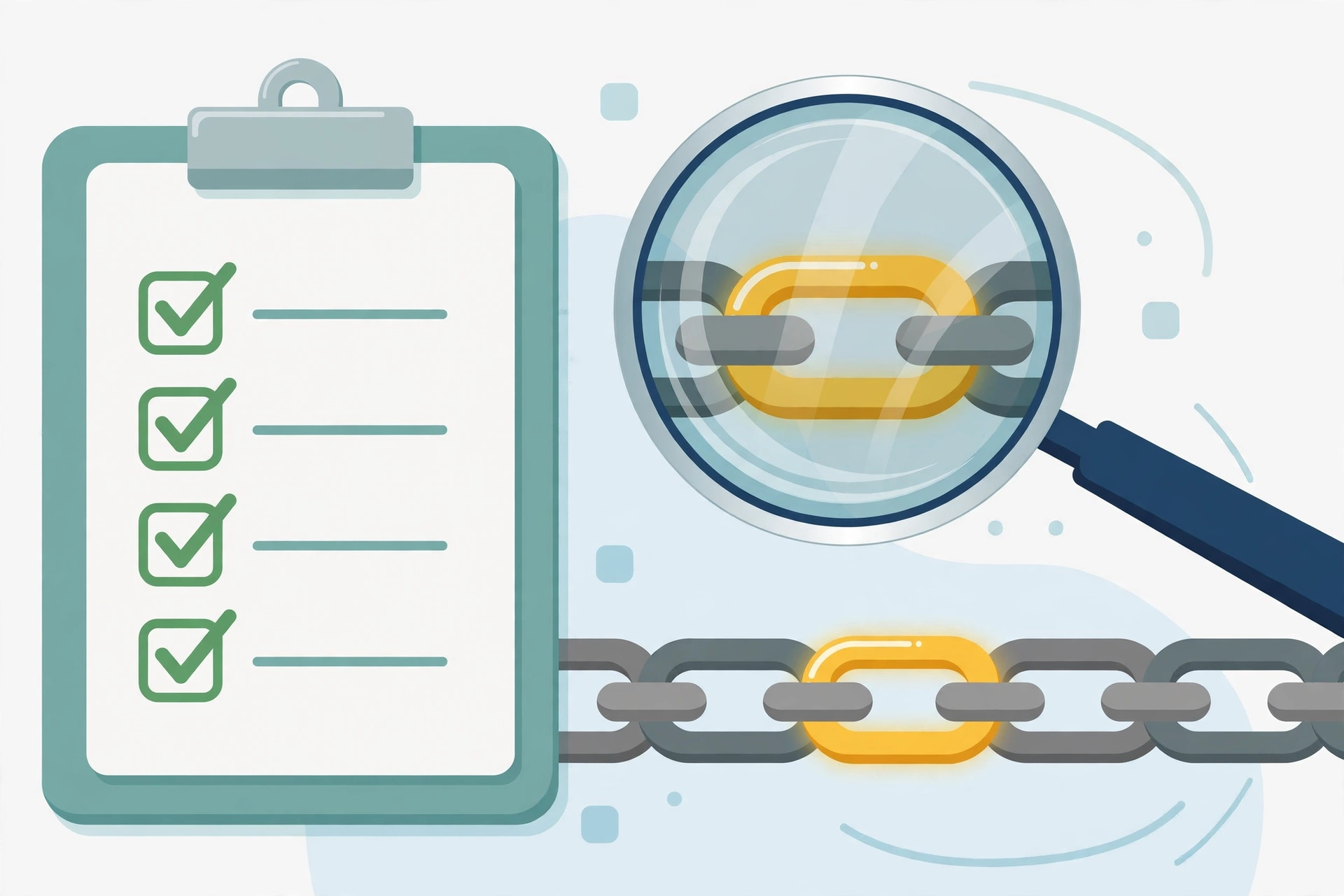
The Three Jobs of a Backlink: Ranking, Discovery, and Referral Traffic
The functional multiplicity of a backlink encompasses three distinct operational roles. The first role involves the domain of ranking wherein links from relevant and trusted sites provide support for the authority of a page concerning its topic. The second role involves the domain of discovery wherein search engines achieve accelerated discovery of new or updated pages through the following of links toward them. The third role involves the domain of referral traffic wherein a link situated in a location frequented by genuine readers transmits visitors directly without the intermediation of search rankings. It is crucial to note that a strong link frequently executes all three roles simultaneously whereas a weak link may execute none of them with efficacy. The evaluation of a link opportunity therefore necessitates the examination of all three roles rather than the exclusive interrogation of ranking effect.
The Four Parts of Every Backlink
The structural anatomy of every backlink encompasses four constituent components and the alteration of any single component generates alteration of the link in its entirety. The source page constitutes the page containing the link and its topic trust and genuine traffic establish the contextual framework. The anchor text constitutes the clickable wording and transmits information to readers and search engines concerning the subject matter of the linked page. The target URL constitutes the precise page receiving the link and necessitates correspondence with the promise articulated by the anchor text. The rel attribute constitutes an optional marker such as nofollow sponsored or ugc that communicates to search engines the appropriate treatment of the link. It is crucial to note that a brilliant anchor situated upon an unrelated page or a sound link directed toward an incorrect page constitutes the squandering of opportunity.
Why Are Backlinks Important for SEO?
The importance of backlinks within search engine optimisation derives from the incapacity of search engines to assess trust through the examination of a page in isolation. The self-assertion of excellence by any page necessitates external corroboration and a backlink constitutes one of the most legible forms of such corroboration. The classification of backlinks as an off-page SEO signal reflects their origination beyond the control of the site owner and therefore their resistance to self-awarding manipulation. The foundational exposition of search engine optimisation principles in What Is SEO? establishes the broader framework within which this off-page signal operates. It is crucial to note that for competitive topics the possession of quality content secures consideration whereas the possession of backlinks frequently determines the ordinal positioning among meritorious pages. However a critical distinction demands early comprehension: the amplification of good content by links does not extend to the rescue of thin unclear or untrustworthy pages.
Backlinks as Votes of Confidence
The metaphorical framing of backlinks as votes of confidence necessitates the qualification that such votes undergo weighting rather than mere enumeration. The conferral of a single link by a respected and relevant site possesses the capacity to outweigh the conferral of dozens of links by unknown sites since the absence of weighting would enable the gaming of rankings through the mass production of low-value links. The concept of referring domains operationalises this principle: the acquisition of ten links from ten distinct sites generally surpasses the acquisition of fifty links from a singular site. It is crucial to note that the pursuit of vote quantity constitutes the most prevalent beginner error since a profile constructed upon volume alone presents an unnatural appearance and delivers minimal benefit.
Backlinks and AI Search
The emergence of AI search tools and answer engines introduces an additional dimension to the significance of backlinks. The favouring by such systems of content originating from sources deemed authoritative and trustworthy renders backlinks one of the most legible public signals of authority available for algorithmic assessment. The citation of a page by an AI answer without the transmission of a click does not diminish the importance of authority since authority retains relevance independent of traffic patterns. It is crucial to note that the practical guidance remains unchanged: the identical useful and well-sourced page serves traditional search and AI answers with equal efficacy. However a critical distinction demands early comprehension: the support of AI visibility by links does not constitute a guarantee of citation by any particular AI tool.
What Makes a Backlink Good or Bad?
The entirety of the subject reduces to a singular governing principle: the supremacy of quality over quantity. A good backlink originates from a genuine site possessing genuine readers concerning a related topic with placement in a natural position within content. A bad backlink originates from a spammy unrelated or manufactured source constructed primarily for the vending of links. It is crucial to note that the majority of weak links undergo simple disregard by search engines rather than punishment. However a critical distinction demands early comprehension: a pattern of manipulation carries genuine risk and the subsequent sections delineate the precise nature of that risk.
The Quality Checklist: Relevance, Authority, Traffic, Placement, and Anchor Text
The evaluation of any link opportunity necessitates the application of a fivefold checklist. Relevance interrogates the topical correspondence between the linking page and the linked page. Authority interrogates the respect commanded by the linking site within its niche and the acquisition by that site of links from genuine sites. Traffic constitutes the reality verification mechanism interrogating the possession by the site of genuine visitors rather than a high third-party score devoid of readership. Placement interrogates the positional context with the body of an article surpassing footers sidebars and author biographies in value. Anchor text interrogates the descriptive naturalness of the clickable wording as opposed to the repetition of an identical exact-match keyword across every link. It is crucial to note that a link satisfying the majority of these criteria merits pursuit whereas a link failing the majority merits rejection.
Strong Backlink vs Weak Backlink at a Glance
| Signal | Strong backlink | Weak backlink |
|---|---|---|
| Relevance | Site covers your topic | Unrelated site |
| Traffic | Real organic visitors | Little or no traffic |
| Placement | In the body of an article | Footer, sidebar, or author bio |
| Anchor text | Natural and descriptive | Same exact-match keyword every time |
| Link attribute | Passes credit (no nofollow) | Nofollow, sponsored, or ugc only |
| Referring domain | A new site linking to you | A site that already links to you repeatedly |
The utilisation of the table necessitates its treatment as a rapid screening instrument rather than a scoring formula. It is crucial to note that a link requires no perfect row for the possession of utility whereas the accumulation of several weak rows indicates low value.
Types of Backlinks Beginners Meet
The categorisation of backlinks frequently proceeds according to the method of acquisition rather than the attribute of the link. Earned links receive conferral freely by an editor who discovered utility in the page. Built links emerge through outreach activities such as guest posting. Self-created links receive placement by the site owner within forum profiles or similar venues. It is crucial to note that earned editorial links command the greatest trust precisely because their conferral required no solicitation. However a critical distinction demands early comprehension: built links retain legitimacy when the content genuinely assists the readers of the linking site whereas self-created links at scale constitute the weakest and riskiest category.
Editorial Links
An editorial link constitutes the addition by a writer on their own initiative of a link toward a page that supports evidences or improves their article. The acquisition of such links necessitates citable work encompassing original data clear guides free tools templates or genuinely useful explanations. The citation of a study by a news article the linking of a guide from a tutorial and the linking of a tool from a resource list all exemplify editorial links. It is crucial to note that editorial links defy ordering on demand since that defiance constitutes their definitional essence. The practical strategic move for a beginner involves the design of at least one page specifically for the purpose of citation.
Guest Posts and Resource Pages
A guest post constitutes an article authored for another site within the niche with the inclusion of a link where such a link genuinely assists the readers of the host site. The quality assessment of the host necessitates relevance genuineness and selectivity concerning publication standards. A resource page constitutes a curated compilation of tools or guides wherein a genuinely useful page may receive suggestion for inclusion. The honest pitch in both cases articulates the benefit to the host readers rather than the desire of the beginner for a link. It is crucial to note that guest-post farms publishing any material for a fee across any topic must receive avoidance since their links carry minimal trust and measurable risk.
Directory, Forum, and Comment Links
Directory links originate from listings within industry directories or business profiles and possess low ranking value alongside utility for discovery and local visibility. Forum and comment links originate from discussion placements and platforms typically assign them ugc or nofollow markers automatically. Their genuine value resides in referral visitors and community visibility rather than ranking power. It is crucial to note that mass directory submissions and comment spam constitute the squandering of time and the generation of manipulative appearance. A small number of relevant and complete profiles surpasses hundreds of low-quality listings in every assessment.
Dofollow vs Nofollow vs Sponsored vs UGC
The revelation that surprises most beginners concerns the nonexistence of a rel=”dofollow” attribute. Dofollow constitutes merely the informal designation for an ordinary link devoid of qualifying attributes and therefore represents the default state. The remaining values describe the relationship underlying the link and a healthy profile encompasses a mixture of them since genuine sites acquire links from diverse venues. Nofollow links retain the capacity to transmit visitors and to catalyse further links from individuals who discover the page through them. It is crucial to note that the rejection of a link solely due to its nofollow status constitutes error just as the pursuit of dofollow status at any cost constitutes error.
What Each Link Attribute Tells Search Engines
An ordinary link devoid of attributes constitutes a normal editorial reference with the potential for transmission of ranking credit. The rel=”nofollow” value receives utilisation when no other value fits and the site declines endorsement of the destination. The rel=”sponsored” value marks advertising sponsorships and paid placements. The rel=”ugc” value marks user-generated content such as forum posts and comments. The guidance published by Google concerning paid links mandates the sponsored attribute with nofollow as an acceptable alternative and the official spam policies accessible at Google’s spam policies delineate the consequences of noncompliance. It is crucial to note that a paid link devoid of a qualifying attribute risks classification as a spam-policy problem.
What Is Anchor Text and Why Does It Matter?
Anchor text constitutes the visible clickable wording of a link. The wording transmits a promise to readers concerning the destination page and transmits contextual information to search engines concerning the topic of that page. A natural profile encompasses brand names page titles descriptive phrases and generic words such as this guide. It is crucial to note that the repetition of an identical exact keyword phrase as anchor text across every link generates awkward readability and manipulative appearance. The discipline of composing anchors that function sensibly within the sentence prior to any consideration of keywords constitutes the habit that preserves the honest appearance of a profile. The related discipline of keyword selection receives detailed treatment in What Are Keywords in SEO and How Do They Work?
How to Get Backlinks as a Beginner
The establishment of expectations precedes any strategic plan: the discipline of link building consumes weeks to months and results manifest gradually rather than overnight. The ordering of effort necessitates foundation first followed by citable content followed by outreach. The four-step plan delineated below enables commencement without the purchase of links. It is crucial to note that shortcuts encompassing bulk link purchases link scheme participation and automated outreach bombardment all generate damage to trust. The maintenance of a simple record of each earned link its source and its anchor preserves the visibility of progress during periods of slow ranking movement.

Step 1: Make a Page Worth Linking To
The commencement of the plan necessitates the articulation of the page topic in a singular sentence comprehensible to a stranger. The construction of the page necessitates completeness accuracy and readability alongside a clear subsequent step for the visitor. The remediation of fundamentals precedes all else: the page must load with speed function upon a phone and answer the question promised by its title. The addition of a quotable element such as a definition a checklist a worked example or a comparison completes the preparation. It is crucial to note that nobody confers links upon a page articulating nothing novel and therefore a thin page must never serve as the target of a link campaign.
Step 2: Create Something Worth Citing
Citable formats encompass an original small survey a step-by-step guide a checklist a template a free tool or a well-organised resource list. The originality of the material drives link acquisition since writers confer links upon the source rather than the tenth replication of identical advice. The concentration of effort upon a singular genuinely useful resource surpasses the production of five shallow posts. The periodic updating of the resource ensures the continued currency of the destination for existing links. It is crucial to note that even beginner guides possess the capacity to function as linkable assets when they elucidate a confusing topic with plainness. The broader context of content-driven visibility receives treatment in What Is Digital Marketing?
Step 3: Reach Out the Honest Way
Outreach constitutes the communication to a relevant site owner through a short personal message of the manner in which a page assists their readers. The mention of a specific article belonging to the recipient and the precise location of fit distinguishes a genuine pitch from spam. The utilisation of a small targeted list surpasses mass transmission: ten relevant sites surpass one thousand random sites in efficacy. The transmission of a singular polite follow-up followed by cessation constitutes proper conduct and the application of pressure or guilt constitutes impropriety. It is crucial to note that any arrangement constituting a disguised paid placement or demanding reciprocal linkage merits refusal.
Step 4: Fix Broken Links and Claim Unlinked Mentions
Broken-link building constitutes the identification of a dead link upon a relevant page and the offering of a working page as replacement. The efficacy of the method derives from its assistance to the site owner in problem remediation rather than its exclusive benefit to the beginner. Unlinked mentions constitute pages naming a brand or product without linkage and a polite request frequently secures the addition of the link. The discovery of mentions proceeds through brand-name searching and referral-source examination. It is crucial to note that not every request achieves success and a refusal constitutes a normal outcome requiring gratitude and onward movement.
How Many Backlinks Do You Need?
The interrogation concerning the requisite number of backlinks admits no universal answer and any vendor of a fixed number engages in oversimplification. The genuine method involves comparison: the examination of the referring domains of top-ranking pages for the target keyword alongside the examination of one’s own referring domains. The revelation of a gap wherein top pages possess forty referring domains and a new site possesses five delineates the scale of required work rather than a deadline. The concentration upon unique relevant domains surpasses the accumulation of links from a singular site: ten links from ten good sites surpass fifty links from one site. A realistic beginner rhythm involves the steady acquisition of a few quality links per month rather than a sudden burst of weak links.
Can Backlinks Harm Your Website?
The capacity of backlinks to inflict harm exists yet its manifestation occurs primarily through patterns of manipulation rather than through a singular stray weak link. Search engines distinguish between links undergoing simple disregard and links triggering a manual action. The majority of low-quality links occupy the former category and undergo disregard without punishment. It is crucial to note that panic constitutes the incorrect response and the attempted removal or disavowal of every unfamiliar link constitutes error. However a critical distinction demands early comprehension: the patterns carrying genuine risk possess specificity and receive enumeration below.
Link Schemes to Avoid
The avoidance list encompasses paid links intended for ranking manipulation without a qualifying attribute. The avoidance list encompasses private blog networks (PBNs) constituting groups of sites constructed solely for outbound linkage. The avoidance list encompasses link farms publishing any material for a fee across any topic. The avoidance list encompasses sitewide footer or sidebar links repeated across thousands of pages. The avoidance list encompasses excessive link exchanges and keyword-stuffed anchor patterns. The avoidance list encompasses automated link creation and links situated upon hacked or spam sites. It is crucial to note that each pattern receives naming within Google’s link-spam policy and each possesses the capacity to cost a site its visibility. A detailed contemporary exposition appears in LinkDR’s backlinks guide and in Arcalea’s backlinks guide.
What to Do About Bad Links You Did Not Ask For
The natural appearance of unwanted links occurs without solicitation and such links generally remain harmless in isolation. The review of context must precede action since a link from an odd-looking site does not automatically constitute a problem. The contacting of the site owner concerning removal applies only in clear spam cases. The disavow tool constitutes a last resort for clear manipulative patterns rather than a routine cleanup instrument and the acquisition of experienced help must precede its utilisation since an incorrect disavow possesses the capacity to remove good links. It is crucial to note that when doubt persists the leaving of a link untouched generally surpasses its disavowal in safety.
How to Check Your Own Backlinks for Free
The free starting point for backlink verification resides in the Links report of Google Search Console which displays top linking sites most-linked pages and top linking text. The limitation of the report involves its sampled nature rather than its constitution as a complete index of every link. Paid tools such as Ahrefs Semrush and Moz offer fuller indexes with traffic and anchor data and their current pricing requires verification prior to selection since plans undergo change. A simple monthly routine proves sufficient: the notation of new and lost links alongside the monitoring of anchor text for manipulation patterns. It is crucial to note that publishers remove links convert them to nofollow or delete pages and therefore a link earned in a prior year may no longer exist. The maintenance of site speed and health alongside link monitoring receives treatment in How to Improve WordPress Website Speed.
Common Beginner Mistakes With Backlinks
The classic mistakes present themselves with ease of enumeration and ease of commission. The purchase of bulk cheap links accompanied by expectation of fast rankings constitutes the first mistake. The pursuit of link counts rather than link quality and relevance constitutes the second mistake. The utilisation of identical exact-match anchor text upon every link constitutes the third mistake. The construction of links exclusively toward a homepage rather than toward the most useful pages constitutes the fourth mistake. The disregard of lost links despite the regular removal or alteration of links by publishers constitutes the fifth mistake. The abandonment of effort after a few weeks constitutes the sixth mistake since link building rewards steady effort across months rather than singular campaigns. It is crucial to note that the avoidance of these six mistakes positions a beginner ahead of most new sites.
FAQs
What are backlinks in SEO?
Backlinks in SEO constitute links from other websites to yours functioning as recommendations. Search engines utilise them as one signal of relevance and trust and relevant trusted links assist more than numerous weak links. They differ from internal links which remain inside one website. The quality checklist within this guide provides a rapid method for the judgement of any link.
Do backlinks still matter in 2026?
Backlinks remain a significant ranking factor particularly for competitive topics and their weight has shifted firmly toward quality relevance and earned links. Authority signals encompassing links also support visibility within AI search answers. However a critical distinction demands early comprehension: links alone do not rank a page since content and site quality retain importance and links therefore constitute one part of SEO rather than its entirety.
What is the difference between dofollow and nofollow backlinks?
An ordinary link informally designated dofollow possesses the potential for transmission of ranking credit whereas a nofollow link instructs search engines against counting it as endorsement. Sponsored marks paid placements and ugc marks user-generated content and no rel=”dofollow” attribute exists for addition. Nofollow links still transmit visitors and preserve the natural appearance of a profile and therefore a natural mixture surpasses the pursuit of a singular type.
How many backlinks do I need to rank?
No fixed number exists since the answer depends upon keyword competition. The comparison of the referring domains of top-ranking pages for a keyword with one’s own referring domains provides the method: low-competition topics may require few or no links whereas competitive topics require numerous quality domains. The steady acquisition of a few quality links per month constitutes the advisable rhythm and results manifest across weeks to months rather than days.
Can I buy backlinks?
The purchase of links for ranking manipulation violates Google’s spam policies and risks ranking loss or manual action. Paid placements achieve legitimacy when marked with sponsored or nofollow and acquired for traffic or exposure rather than ranking credit. The refusal of any seller promising guaranteed rankings or bulk unrelated links constitutes necessary prudence and the earning of links through useful content and honest outreach constitutes the advisable alternative.
How long does it take for backlinks to help rankings?
Some movement may manifest within weeks yet meaningful change generally requires months. Discovery crawling and re-evaluation consume time and a singular link rarely moves a page independently. The tracking of rankings and organic traffic together rather than day by day constitutes advisable practice and the monitoring of lost or changed links remains necessary. Steady earning across months constitutes the realistic path.
Conclusion: Start With One Good Link
A backlink constitutes the public recommendation of a page by another site and the quality rule remains invariant: relevance genuine readers natural placement and honest earning surpass volume in every assessment. The beginner’s first action possesses simplicity: the selection of one page its transformation into citable material and its pitching to five relevant sites. That approach suits any builder of a genuine site for the long term. Any seeker of instant rankings must reconsider since shortcuts carry risk and a singular good link earned honestly surpasses a hundred purchased links in value.